Your Jury of Peers Was Rigged Before You Even Walked Into Court
The Athenian Lottery That Wasn't Random
Athens gets credit for inventing democracy and trial by jury, but they also pioneered jury manipulation. The dikasteria—citizen courts with hundreds of jurors—were supposedly chosen by lottery from all eligible Athenians. In practice, the "random" selection process was so thoroughly gamed that wealthy defendants could predict the political leanings of their jury pool with remarkable accuracy.
Athenian politicians maintained detailed records of which citizens showed up for jury duty, how they voted in past cases, and what bribes they'd accepted. The lottery system used bronze tokens and elaborate mechanical devices that looked impressively fair but contained enough variables that skilled operators could influence outcomes. Modern statisticians studying the surviving records have found patterns that would be mathematically impossible if the selection had actually been random.
The psychology here is crucial: humans desperately want to believe in fair systems, so they'll accept elaborate procedures that feel impartial even when those procedures are designed to produce predetermined outcomes. Athenians knew their juries were compromised, but the ritual of random selection made everyone feel better about it.
Medieval Justice: When God Was Your Lawyer
Medieval Europe took a different approach to the "peer judgment" problem: they outsourced it to divine intervention. Trial by ordeal meant that instead of trusting human jurors, defendants proved their innocence by surviving being thrown into rivers, grabbing red-hot iron bars, or fighting to the death.
 Photo: Medieval Europe, via cunninghistoryteacher.org
This sounds insane until you realize it solved the same problems modern voir dire attempts to address: how do you find impartial judges when everyone has relationships, prejudices, and political interests? Medieval people concluded that truly neutral judgment was impossible among humans, so they might as well let God handle it.
The ordeal system was actually quite sophisticated. Priests who administered the trials had detailed protocols for interpreting results, and archaeological evidence suggests they often manipulated outcomes based on their assessment of the defendant's guilt. The water temperature, the weight of the stones, the sharpness of the blade—everything could be adjusted to influence whether someone survived their "divine" test.
The English Innovation: Professional Bias
England's contribution to legal history was the judge-jury system we still use today, but their version was explicitly designed to serve state interests rather than deliver justice. Medieval English juries were chosen from local landowners who had economic and social relationships with everyone involved in the case.
This wasn't a bug—it was the entire point. The Crown wanted verdicts that reinforced existing power structures and property relationships. A jury of actual peers meant a jury of people who understood their place in the hierarchy and would render verdicts accordingly.
English legal scholars wrote extensively about how to select juries that would produce desired outcomes. They categorized potential jurors by profession, family connections, debt relationships, and political loyalties. The goal wasn't impartiality—it was predictability.
American Exceptionalism Meets Ancient Problems
America's founders knew about jury manipulation from their classical education and personal experience with English courts. Their solution was to constitutionally guarantee trial by "an impartial jury of the state and district wherein the crime shall have been committed."
What they didn't anticipate was how quickly American lawyers would reverse-engineer this system. Within decades, legal professionals had developed voir dire procedures that turned jury selection into a science of identifying and exploiting cognitive biases.
Modern jury consultants use psychological profiling, demographic analysis, and even social media monitoring to construct juries that favor their clients. The same technology that promises to make jury selection more fair has made it more manipulable than ever.
The Voir Dire Theater
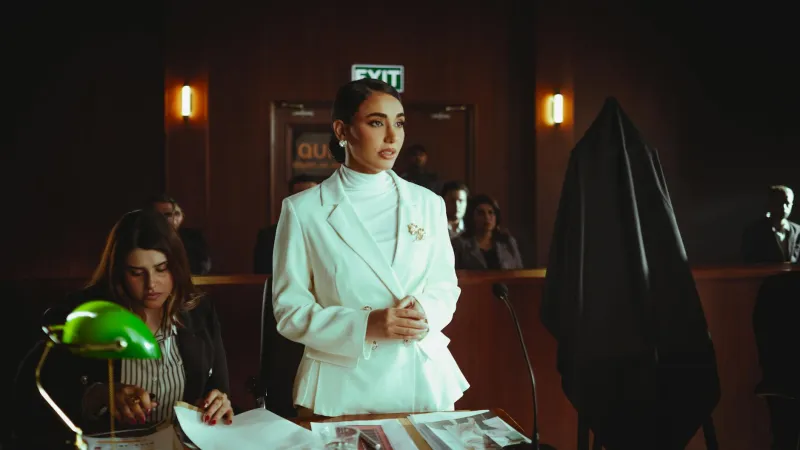
Today's voir dire process is a masterclass in applied psychology disguised as a search for fairness. Attorneys ask carefully crafted questions designed not to identify bias but to implant it. "Can you imagine any circumstances where a corporation might not be responsible for injuries caused by its products?" isn't seeking information—it's programming a response.
Jury consultants study everything from potential jurors' word choices to their body language to their car bumper stickers. They've identified correlations between magazine subscriptions and verdict preferences, between pet ownership and attitudes toward corporate liability, between grocery shopping patterns and criminal justice philosophy.
The voir dire system creates an illusion of fairness while ensuring that both sides can eliminate anyone likely to judge the case on its actual merits rather than their predetermined sympathies.
Why We Pretend It Works
Every legal system in history has promised impartial justice while simultaneously developing methods to ensure partial outcomes. This isn't hypocrisy—it's human nature. We need to believe that justice is possible even when we're actively undermining it.
The jury system persists not because it delivers fair verdicts but because it distributes responsibility for unfair ones. When a judge makes a controversial decision, we blame the judge. When a jury makes the same decision, we blame the system, the lawyers, or society in general—anything except the specific people who made the choice.
This psychological diffusion of responsibility is why jury trials feel more legitimate than bench trials even when they're demonstrably less accurate. The ritual of peer judgment matters more than the reality of it.
The Uncomfortable Truth
Five thousand years of legal history prove that truly impartial judgment is impossible because humans are incapable of impartiality. Every attempt to create fair trials has instead created new methods for manufacturing unfair ones.
The question isn't how to fix jury selection—it's whether we're honest enough to admit that "jury of your peers" has always been a comforting fiction designed to legitimize whatever verdict the powerful wanted anyway. The Athenians knew this, the Romans knew this, and medieval Europeans knew this.
We're the only ones still pretending otherwise.