Before Fox News and MSNBC, Rome Perfected the Art of Picking Fights Over Nothing
The Original Cancel Culture
In 59 BCE, Roman senator Marcus Porcius Cato stood before the Senate and delivered what might be history's first recorded rant about how entertainment was corrupting the youth. His target? Gladiatorial games that had become too elaborate, too violent, and too popular with the wrong sort of people. Sound familiar?
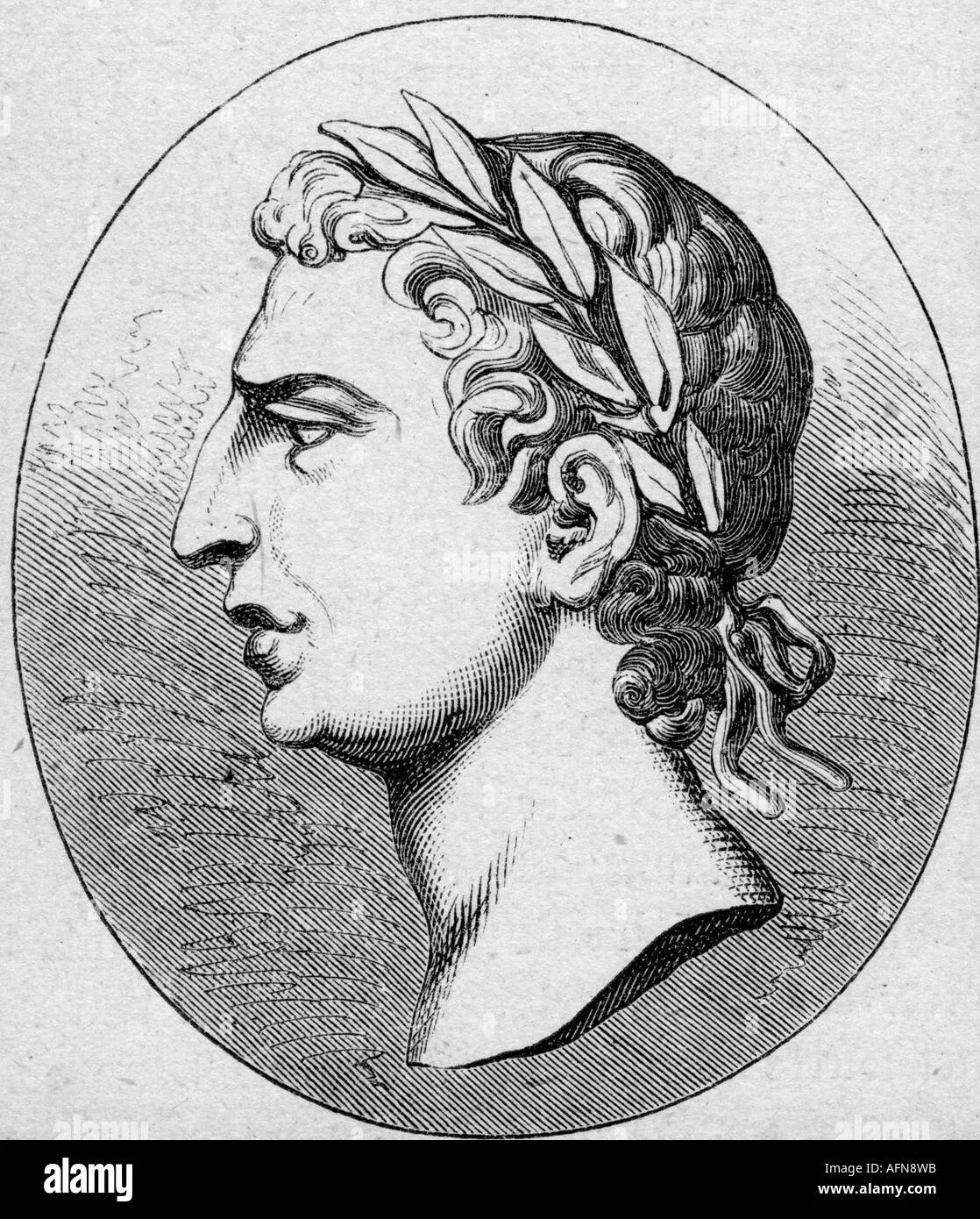 Photo: Marcus Porcius Cato, via c8.alamy.com
Cato wasn't alone. Roman elites spent decades arguing about whether theater should feature Greek-style nudity, whether gladiators were athletes or criminals, and whether importing spices from India was making Romans soft. These weren't policy debates—they were cultural panic attacks designed to keep citizens focused on anything except the growing wealth gap and political corruption that was actually destroying the Republic.
The psychology behind this is brutally simple: humans need enemies, and when real threats are either too complex or too uncomfortable to address, we'll manufacture fake ones. Modern behavioral research confirms what Roman politicians figured out through trial and error—people will fight harder over symbols than substance, every single time.
When Bread and Circuses Become the Circus
The Romans coined the phrase "bread and circuses"—give people food and entertainment, and they won't notice you're robbing them blind. But they discovered something even more effective: make the circuses themselves controversial. Instead of just providing distractions, create fights about the distractions.
Take the Theater Wars of the late Republic. Conservative senators claimed that Greek-influenced plays were undermining Roman masculinity and traditional family values. Progressive politicians countered that theater represented Roman cultural sophistication and international leadership. Citizens picked sides, wrote angry letters, and held protests. Meanwhile, both factions continued looting provincial treasuries and selling Senate votes.
The content of the controversy never mattered. When theater stopped being scandalous, the focus shifted to gladiator regulations. When that got boring, it was foreign food corrupting Roman palates. The machine of manufactured outrage just needed fresh fuel.
The Eternal Return of Moral Panic
Every culture war follows the same script because human psychology hasn't evolved since the Pleistocene. We're tribal creatures wired to identify threats to our group's status and respond with coordinated aggression. The problem is that in complex societies, the real threats—economic inequality, institutional corruption, environmental degradation—are too abstract and systemic for our caveman brains to process effectively.
So we default to fighting over concrete symbols that feel like they represent larger principles. Romans argued about gladiator violence while their actual military was committing genocide in Gaul. Americans debate cartoon characters while their infrastructure crumbles and their democracy buckles.
The specific triggers change with each generation, but the underlying pattern is identical: find something visible and emotionally charged, frame it as an existential threat to "our way of life," and watch people line up to defend or attack it with religious fervor.
The Distraction Economy
What Roman politicians understood—and what modern media executives have rediscovered—is that cultural outrage is incredibly profitable. Angry people consume more content, donate more money, and vote more reliably than calm, rational citizens.
Roman senators built entire careers on being the guy who opposed Greek theater or defended traditional Roman wrestling. They didn't need policy expertise or governing experience—just the ability to identify cultural flashpoints and take theatrical stands. Their modern equivalents make millions doing the exact same thing on cable news and social media.
The economics are irresistible: manufacturing controversy costs almost nothing but generates enormous engagement. Finding real solutions to complex problems requires expertise, compromise, and years of boring work that nobody wants to watch. Screaming about Dr. Seuss requires only the ability to read headlines and feel indignant.
Why We Keep Falling for It
The depressing truth is that culture wars work because they satisfy deep psychological needs that policy debates can't touch. Fighting over symbols gives people a sense of agency and moral clarity that's impossible to achieve when grappling with genuinely complex issues.
Romans could feel righteous and engaged by opposing gladiatorial excess without having to understand provincial taxation policy or military logistics. Americans can feel like they're defending democracy by arguing about children's books without having to learn how campaign finance actually works.
This isn't stupidity—it's human nature. We're built to care more about threats to our identity than threats to our infrastructure. The Romans knew this 2,000 years ago, and every political system since has exploited it.
The Only Lesson That Matters
The Roman Republic didn't fall because of Greek theater or foreign spices. It collapsed because while citizens were fighting over cultural symbols, their institutions were being systematically corrupted by people who understood that distraction is the most powerful political weapon ever invented.
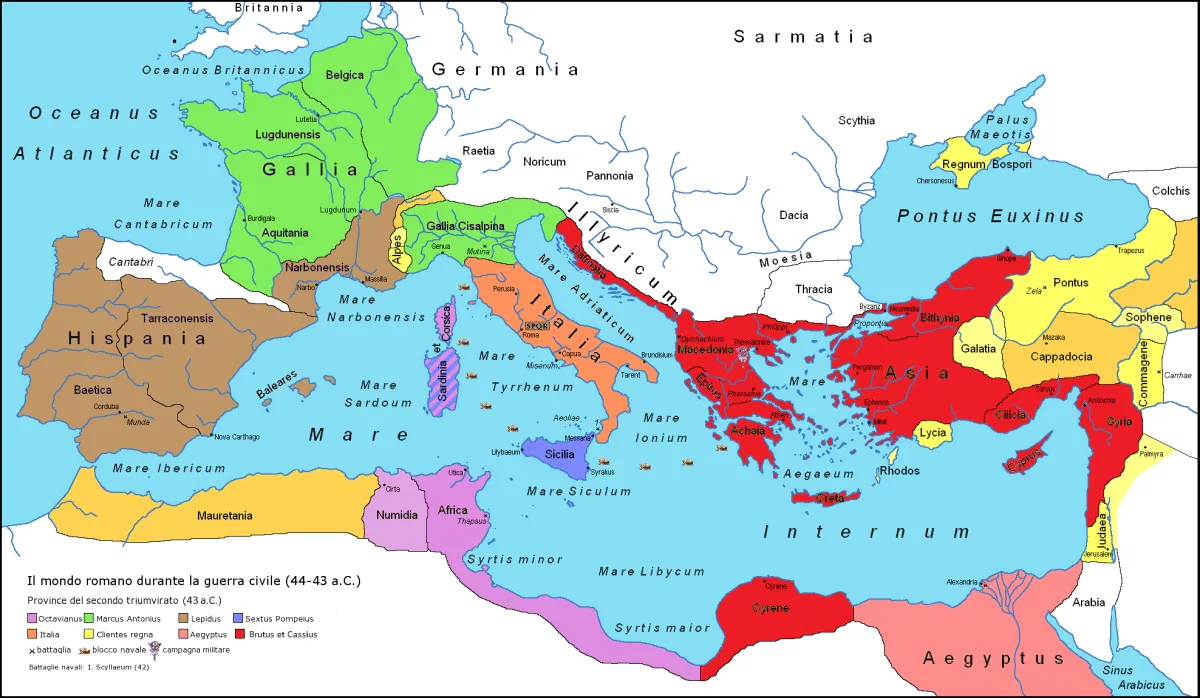 Photo: Roman Republic, via cdn.historycollection.co
The next time you find yourself getting worked up about whatever cultural controversy is trending this week, ask yourself: what am I not paying attention to while I'm focused on this? The answer is probably what actually matters—and what someone very much wants you to ignore.