The Handwriting on the Cuneiform Tablet
When King Hammurabi demanded written loyalty oaths from his governors around 1750 BCE, he wasn't pioneering workplace trust-building. He was perfecting something much darker: the art of making submission feel like choice.
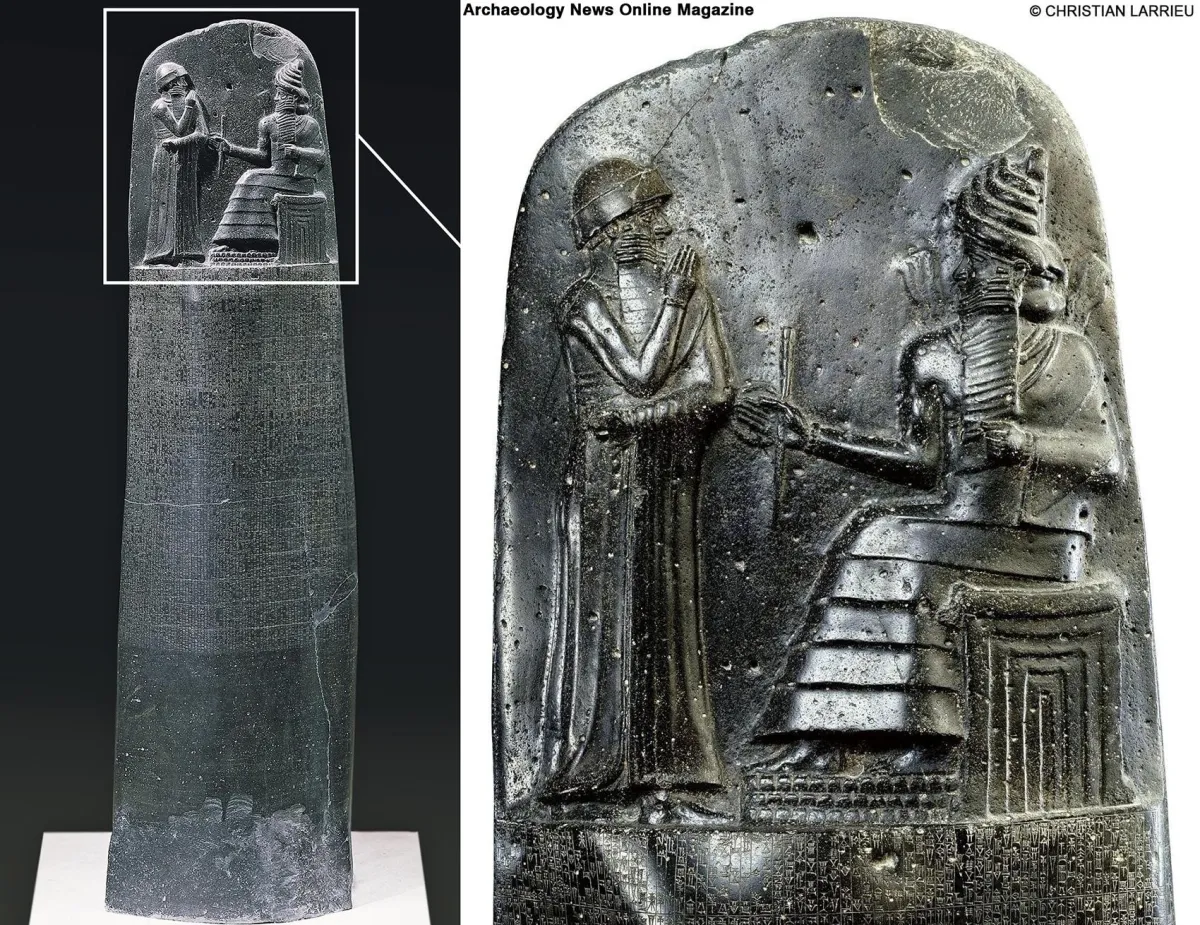 Photo: King Hammurabi, via pbs.twimg.com
Fast-forward to your last job contract. Remember that non-disclosure agreement? The non-compete clause that somehow claimed ownership over ideas you hadn't even thought of yet? That moment when signing felt less like joining a team and more like volunteering for psychological house arrest? Congratulations—you just experienced the oldest power move in recorded civilization.
The historical record is brutally clear: formal loyalty pledges have never been about trust. They're about leverage. And the more elaborate the ceremony, the more insecure the person demanding your signature.
Ancient Babylon's HR Department
Mesopotamian kings didn't just want obedience—they wanted theatrical obedience. Vassal rulers had to travel hundreds of miles to prostrate themselves before the throne, recite lengthy pledges in front of witnesses, and kiss the royal feet while promising their eternal devotion. The whole production was designed to be humiliating, time-consuming, and memorable.
Why go through all that trouble? Because psychological research that wouldn't be formally documented for another 3,500 years was already being applied with surgical precision. When you make someone perform elaborate rituals of submission, you don't just secure their compliance—you rewire their self-image. The vassal king who just spent three days groveling in public can't easily convince himself he's still an independent ruler. The ritual makes the relationship real in a way that simple threats never could.
Modern employment contracts follow the exact same playbook. That orientation session where you signed seventeen different documents while someone explained company culture? That wasn't administrative efficiency. That was psychological conditioning disguised as paperwork.
Medieval Guilds and the Invention of Professional Loyalty
By the Middle Ages, European craft guilds had refined loyalty extraction into an art form. Master craftsmen required apprentices to swear elaborate oaths of secrecy, promising never to reveal trade techniques or work for competitors. The ceremonies involved religious imagery, community witnesses, and enough pomp to make signing feel like joining a sacred order rather than agreeing to seven years of unpaid labor.
The genius wasn't in the legal language—it was in the social psychology. Guild masters understood that people will endure almost anything if you can convince them they chose it. The oath ceremony transformed economic exploitation into voluntary spiritual commitment. Apprentices didn't feel trapped by their contracts; they felt chosen by them.
Sound familiar? Every modern workplace that talks about "culture fit" and makes hiring feel like joining an exclusive club is running the same medieval playbook. The more special they make you feel for getting the job, the more willing you'll be to accept terms you'd never tolerate from an employer that treated hiring like a simple transaction.
The Roman Solution to Employee Retention
Roman legions perfected the loyalty oath as psychological warfare against their own soldiers. The sacramentum wasn't just a promise to follow orders—it was a religious ritual that made desertion feel like sacrilege. Soldiers swore by their gods, their ancestors, and their honor, creating layers of psychological barriers that were often more effective than physical chains.
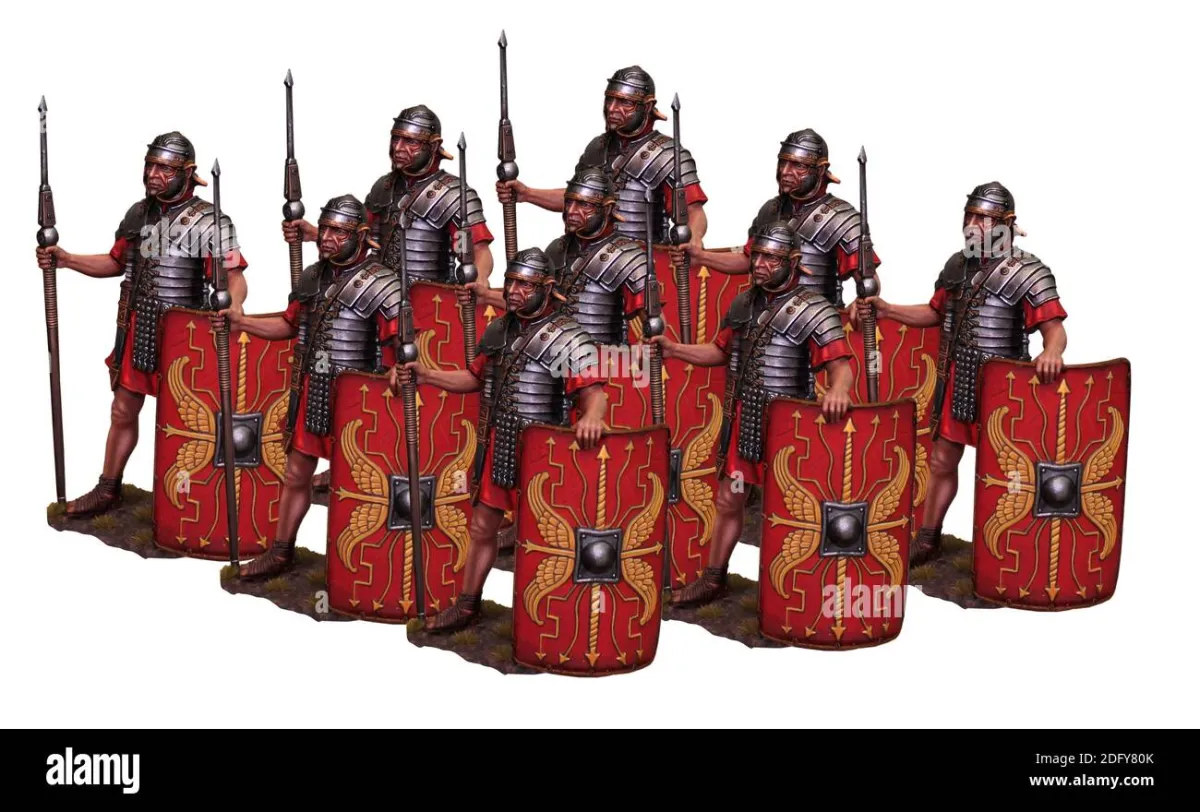 Photo: Roman legions, via c8.alamy.com
Roman commanders knew something that modern behavioral economists are still discovering: people are more committed to decisions they feel they made freely. The elaborate oath ceremony gave soldiers the illusion of choice while actually eliminating it. Once you've sworn by everything you hold sacred, backing out feels like betraying your own identity.
This is why modern employment contracts are loaded with language about "voluntary" participation in company culture, "choosing" to embrace corporate values, and "committing" to organizational success. The vocabulary of choice makes surrender feel like empowerment.
Why Insecurity Demands Ceremony
The historical pattern is unmistakable: the more insecure the ruler, the more elaborate the loyalty ritual. Confident leaders don't need their employees to sign blood oaths or attend mandatory fun events. They don't require loyalty pledges because they inspire actual loyalty through competence and fairness.
Weak leaders, on the other hand, always demand performative loyalty. They need the ceremony, the signatures, the public declarations, and the witnessed commitments because they know their authority rests on nothing more substantial than everyone agreeing to pretend it exists.
This is why startup culture is so obsessed with loyalty rituals disguised as "culture building." The ping-pong tables, mandatory happy hours, and company retreats aren't perks—they're modern versions of medieval oath ceremonies, designed to make leaving feel like betrayal rather than career advancement.
The Signature That Binds
Every time you sign a loyalty agreement, you're participating in a ritual that's older than written history. The specific language changes, but the psychological mechanism remains identical: make people feel like they chose their constraints, and they'll defend them more fiercely than any guard could enforce them.
The next time someone asks you to sign a non-compete agreement or attend a mandatory culture workshop, remember that you're looking at technology that's been beta-tested for three millennia. The ancient Mesopotamians who invented this system would recognize your employee handbook immediately.
They'd also probably be impressed that modern employers found a way to make people pay for their own chains. Even Hammurabi didn't think to charge vassals tuition for the privilege of swearing fealty.