The Imposter Syndrome Pandemic Started in Ancient Rome — And Got Worse Every Century

If you've ever felt like a fraud who's about to be exposed as not quite belonging to whatever social class you're performing, congratulations — you're experiencing the most thoroughly documented psychological crisis in human history. The specific dread of being "found out" as not authentically upper-class has been driving people insane for over 2,000 years, and no amount of money has ever cured it.
Every generation thinks they invented class anxiety. The historical record disagrees.
When Romans Bought Their Way to Respectability
The first detailed accounts of class impostor syndrome come from Roman writers describing the psychological torment of the "novi homines" — new men who had earned wealth but not aristocratic lineage. These were successful merchants, military commanders, and political operators who had all the money and power of the patrician class but none of the bloodline credentials.
Cicero, himself a notorious "new man," wrote extensively about the constant anxiety of being seen as an outsider pretending to belong. Despite being one of Rome's most successful politicians, he spent his entire career obsessing over whether "real" aristocrats accepted him or were just tolerating his presence.
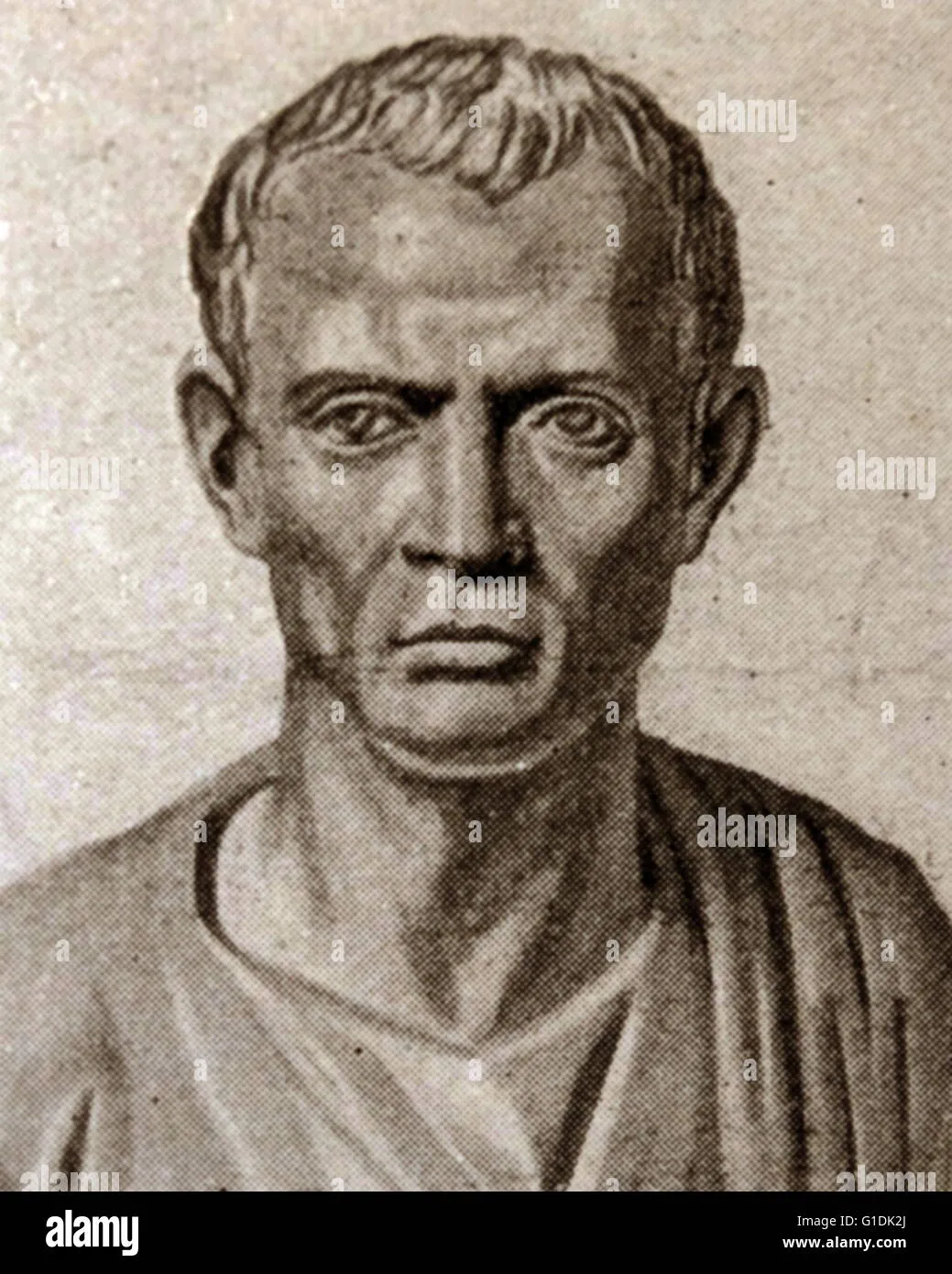 Photo: Cicero, via c8.alamy.com
The psychological pattern was already fully formed: material success didn't cure the feeling of being an impostor; it made it worse. The higher Cicero climbed, the more convinced he became that he didn't deserve to be there.
Modern research on impostor syndrome shows this isn't paradoxical — it's predictable. Achievement triggers anxiety about whether you can maintain your new status, while also highlighting the gap between your background and your current position.
Medieval Merchants and Fake Noble Titles
By the Middle Ages, class anxiety had become so systematic that entire industries emerged to treat it. Wealthy merchants across Europe spent fortunes buying fake genealogies, forged noble titles, and elaborate family crests to paper over their commercial origins.
The psychological desperation was documented in remarkable detail. A 14th-century Venetian merchant named Francesco Datini left behind thousands of letters obsessing over whether his wealth would be enough to secure social acceptance for his family. Despite being one of Europe's richest men, he lived in constant terror that someone would expose his humble origins.
Datani's letters read like a modern therapy session: endless rumination about whether he was "good enough," paranoid analysis of social interactions, and elaborate strategies for hiding his background. The only difference is that his version cost about 40% of his net worth.
The Gilded Age Anxiety Machine
American class anxiety reached peak intensity during the Gilded Age, when newly wealthy industrialists desperately tried to buy their way into European-style aristocracy. The psychological toll was so severe that it became a recognized medical condition — doctors called it "American nervousness."
Robber barons like Andrew Carnegie and John D. Rockefeller could buy entire universities, but they couldn't buy the feeling of belonging to high society. Carnegie spent his later years obsessing over whether British aristocrats saw him as a "true gentleman" or just a rich American pretender.
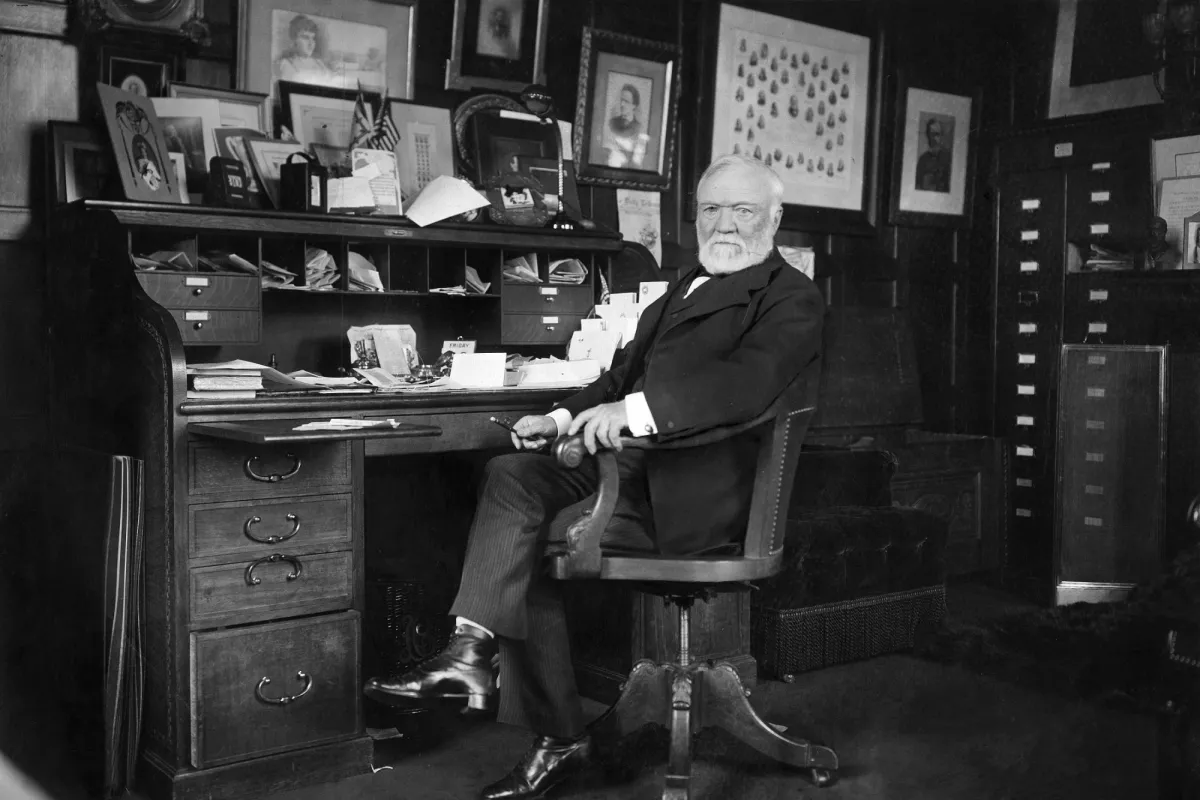 Photo: Andrew Carnegie, via exploringcapitalism.com
The Vanderbilts built elaborate Newport mansions that copied European palaces down to the smallest detail, but Alva Vanderbilt still complained that New York's old families treated her like an outsider. No amount of conspicuous consumption could cure the fundamental anxiety about authenticity.
Psychological research on social identity theory explains why this happened: when group membership becomes important to your sense of self, but the criteria for membership remain unclear or unattainable, it creates chronic anxiety and status-seeking behavior.
The Suburban Status Wars
Post-war American suburbanization created the most psychologically sophisticated class anxiety system in history. Instead of buying noble titles, middle-class families bought houses, cars, and appliances that signaled their position in an increasingly complex social hierarchy.
The 1950s introduced the concept of "keeping up with the Joneses" — but the psychological mechanism was ancient. Suburban families were engaging in the same competitive status display that had driven Roman novi homines and medieval merchants to financial ruin.
Sociologist Pierre Bourdieu documented how this worked: every class marker became a source of anxiety because there was always someone with a slightly better version. The ranch house, the station wagon, the country club membership — each purchase was supposed to provide security but actually created new insecurities.
Modern Anxiety, Ancient Patterns
Contemporary American class anxiety follows exactly the same psychological patterns documented for 2,000 years. The only difference is that the status markers change faster.
Today's version includes college admissions anxiety (will my child get into the "right" school?), neighborhood anxiety (is this address prestigious enough?), and lifestyle anxiety (am I signaling the correct values through my consumption choices?). But the underlying fear is identical: that someone will discover you don't "really" belong where you've positioned yourself.
Social media has accelerated the cycle without changing the psychology. Instead of worrying about whether the neighbors notice your new car, you worry about whether your Instagram feed properly signals your lifestyle. The anxiety is the same; only the audience has expanded.
Why Money Never Cures It
The historical record is unambiguous: no amount of wealth has ever eliminated class anxiety. Roman millionaires, medieval merchants, Gilded Age industrialists, and modern tech billionaires all report the same basic psychological experience — the fear of being exposed as not quite belonging.
Neuroscience research explains why: class anxiety isn't really about money. It's about social acceptance and identity validation. Your brain treats social rejection as a survival threat, regardless of your bank account balance.
This is why lottery winners often report increased anxiety rather than relief. Sudden wealth doesn't cure the feeling of being an outsider; it intensifies it by highlighting the gap between your background and your current circumstances.
The Eternal Performance
What 2,000 years of documented class anxiety reveals is that upward mobility is psychologically exhausting because it requires constant performance. You're not just living in your new social position — you're always acting like you belong there.
Roman novi homines hired tutors to teach them aristocratic mannerisms. Medieval merchants memorized fake family histories. Gilded Age industrialists studied European etiquette. Modern families research the "right" preschools and summer camps.
The performance never ends because the criteria keep changing. Just when you master one set of class markers, new ones emerge. The psychological cost is constant vigilance and chronic self-doubt.
The Historical Verdict
Every era has produced the same conclusion: class anxiety is the price of social mobility. The more you climb, the more you worry about falling. The more you achieve, the more you fear being exposed as undeserving.
This isn't a bug in the system — it's a feature. Class anxiety serves the psychological function of maintaining social hierarchies by making upward mobility feel precarious and temporary. Even when you succeed, you never feel secure.
The only thing that's changed over 2,000 years is our understanding of the psychology involved. We now know that class anxiety is a predictable response to social mobility, not a personal failing or character weakness.
But knowing the history doesn't cure the feeling. Americans in 2024 are still buying their way toward social acceptance, still performing class identity, and still worrying about being found out — just like Romans in 24 CE.
The patterns are ancient. The anxiety is eternal. And every generation discovers it fresh, like they invented the feeling of not quite belonging.