When Senators Stop Governing, History Shows What Happens Next — And It's Never Pretty

When Senators Stop Governing, History Shows What Happens Next — And It's Never Pretty
If you've ever wondered whether American political gridlock is historically unusual, here's your answer: it's not. What's unusual is how long it's been going on without anyone acknowledging the obvious historical parallel.
The Roman Senate of the late Republic spent roughly a century — from about 150 to 50 BCE — in a state of deliberate, spectacular dysfunction. Not because senators disagreed on policy, but because obstruction had become the point. Individual senators discovered they could build entire careers on preventing things from happening, and the psychological incentives that drove that behavior are identical to what we see in Congress today.
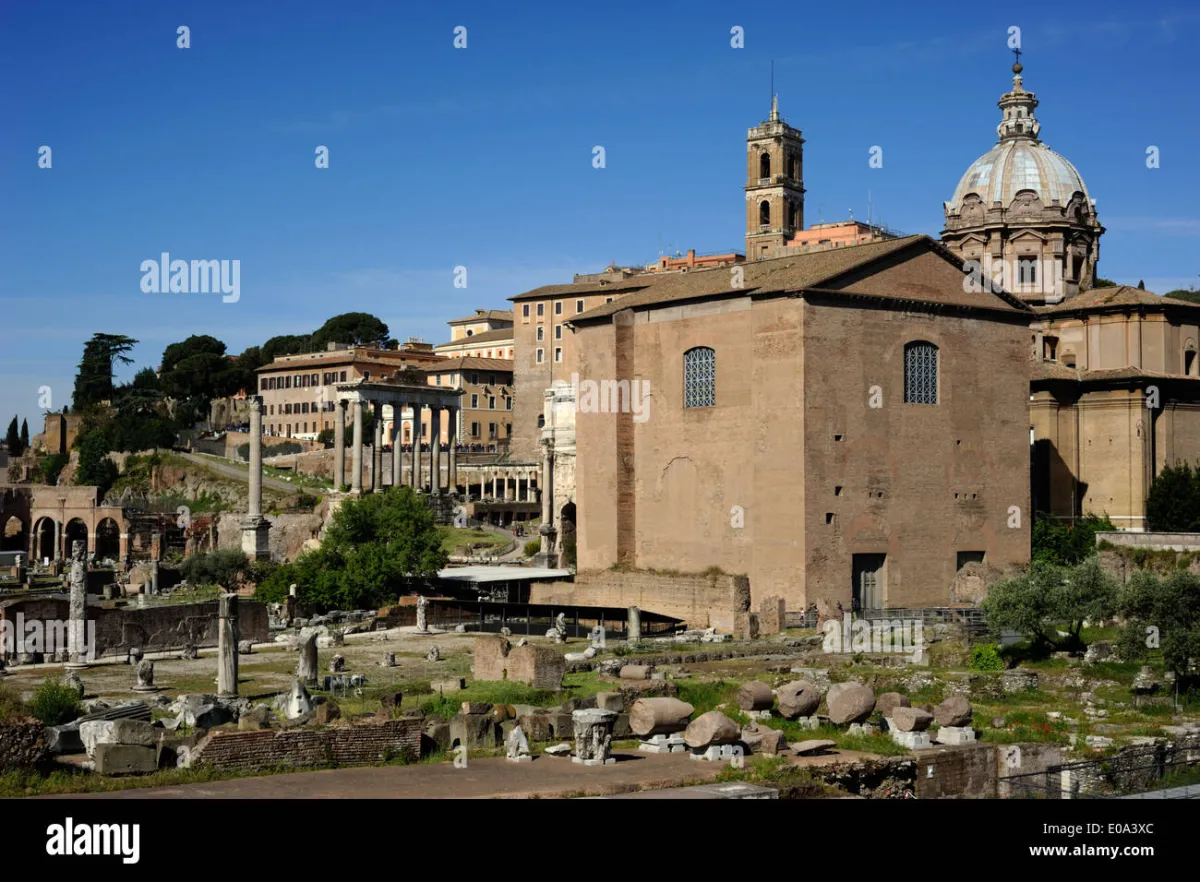 Photo: Roman Senate, via c8.alamy.com
The Psychology of Productive Paralysis
Here's what's fascinating from a behavioral perspective: Roman senators weren't lazy or incompetent. They were responding rationally to a system that rewarded obstruction over governance. When Marcus Porcius Cato the Younger spent entire days filibustering routine Senate business — literally talking until sunset to prevent votes — he wasn't being disruptive. He was being strategic.
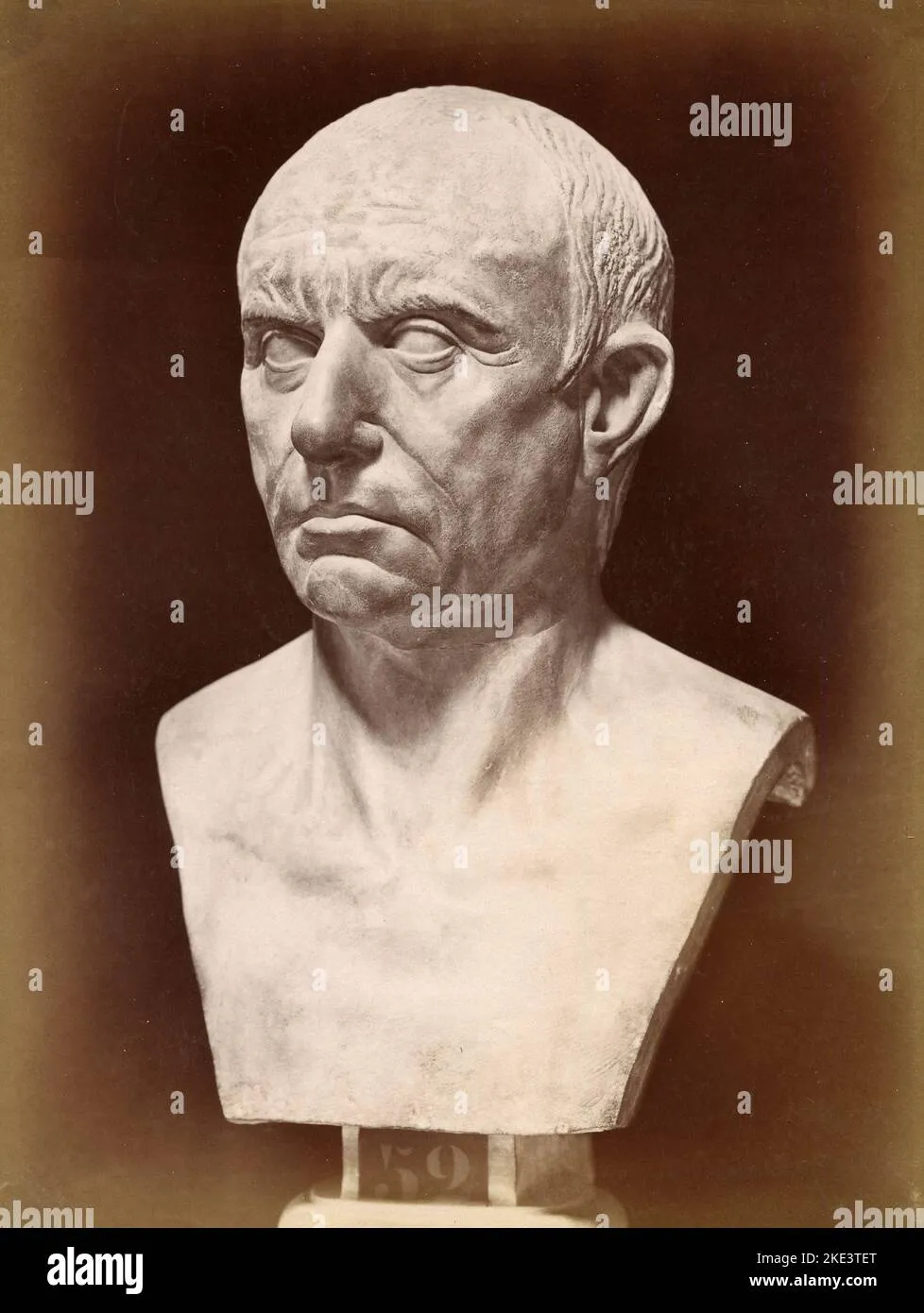 Photo: Marcus Porcius Cato the Younger, via c8.alamy.com
The Roman filibuster worked exactly like ours: any senator could hold the floor indefinitely, and Senate rules required business to conclude by nightfall. Cato figured out that he could kill any legislation simply by talking. His contemporaries described him as principled and dedicated. Sound familiar?
Modern cognitive research on loss aversion explains why this strategy was so psychologically appealing. Preventing something bad from happening feels more important than enabling something good. Cato's brain was wired to prioritize stopping Caesar's land reforms over passing alternative legislation, just like modern senators are wired to prioritize stopping the other party over advancing their own agenda.
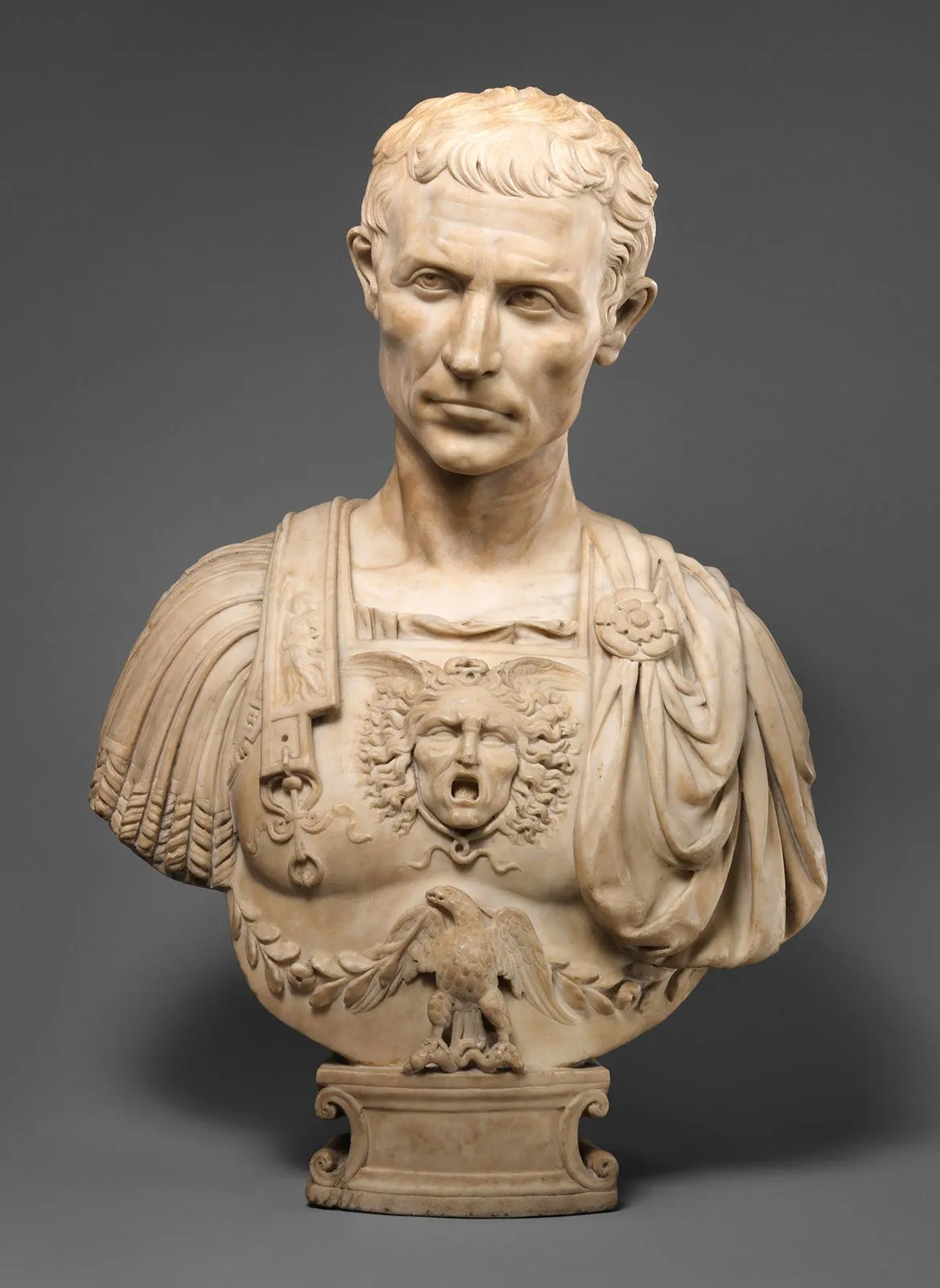 Photo: Caesar, via cdn.britannica.com
When Obstruction Becomes Identity
The really dangerous moment came when Roman senators stopped seeing obstruction as a tactic and started seeing it as their job. By 60 BCE, the Senate had essentially divided into two camps: those who wanted to govern, and those whose entire political identity revolved around making governance impossible.
This wasn't about ideology. Senators who agreed on policy would still obstruct each other's bills if it meant scoring political points. The system had created a psychological environment where being seen as effective at stopping things mattered more than being seen as effective at doing things.
Neuroscience research on tribal identity formation shows exactly why this happens. When group membership becomes more important than group goals, individual behavior shifts toward signaling loyalty rather than achieving results. Roman senators started voting against their own policy preferences if it meant demonstrating allegiance to their faction.
The Historical Pattern Nobody Wants to Discuss
Here's where the Roman precedent gets uncomfortable: legislative paralysis doesn't last forever. When governing bodies stop governing, other institutions step in to fill the vacuum.
In Rome's case, it was generals. When the Senate couldn't pass basic legislation — including funding for essential services — military commanders started making those decisions themselves. First as emergency measures, then as standard procedure. The transition from Republic to Empire wasn't a coup; it was a gradual transfer of authority from a dysfunctional legislature to executives who could actually get things done.
The psychological research on institutional trust shows why this transfer was inevitable. Citizens don't tolerate indefinite paralysis. When legislative bodies become visibly incapable of basic governance, public support shifts to whatever institution can deliver results, regardless of constitutional niceties.
Why Modern Americans Should Pay Attention
The parallels between late Republican Rome and contemporary America aren't perfect, but they're close enough to be unsettling. Both systems feature:
- Minority factions with disproportionate veto power
- Political incentives that reward obstruction over governance
- Tribal identity formation that prioritizes factional loyalty over policy outcomes
- Gradual erosion of institutional norms in favor of tactical advantage
- Public frustration with legislative dysfunction
The difference is that Rome's crisis lasted about a century. America's has been building for about thirty years, and we're nowhere near resolution.
The Executive Solution Nobody Wants
Roman history suggests there are really only two ways legislative paralysis ends: either the legislature fixes itself, or executive power expands to fill the governance vacuum. There's no third option where everyone just agrees to disagree indefinitely.
The Roman Senate never fixed itself. Individual senators were too psychologically invested in obstruction as a strategy, and the system's incentive structure made cooperation politically suicidal. By the time anyone recognized the long-term danger, the pattern was too entrenched to break.
Modern research on organizational change confirms this pattern. Institutions that reward dysfunctional behavior don't spontaneously reform — they either change their incentive structures through external pressure, or they're replaced by institutions that can actually function.
What History Actually Teaches
The lesson from Rome isn't that American democracy is doomed. It's that legislative paralysis is a choice, not an inevitable result of political disagreement. Roman senators chose obstruction because it worked for their individual careers, even as it destroyed their institution's effectiveness.
The psychological mechanisms that drove Roman dysfunction — loss aversion, tribal identity formation, and perverse institutional incentives — are still operating in modern politics. The difference is that we have 2,000 years of data showing where this pattern leads.
Whether American legislators learn from that data or repeat Rome's mistakes is still an open question. But history suggests that time isn't unlimited, and other institutions are watching.