The Clio Method Home

Category

Technology

22 articles

The Cover-Up Math: Why Institutions Always Miscalculate What Secrets Cost

The Cover-Up Math: Why Institutions Always Miscalculate What Secrets Cost

From the Vatican's handling of the Galileo affair to a car company's internal memos about defective ignition switches, the calculus of institutional secrecy follows a pattern that's been documented for centuries. The information always comes out. The question is just how much damage accumulates in the meantime — and why the people doing the hiding are always the last to understand that math.

The Purge Reflex: Why Every Institution Eventually Starts Eating Its Own

The Purge Reflex: Why Every Institution Eventually Starts Eating Its Own

When organizations feel threatened, they don't fix the threat — they audit the believers. Loyalty tests have been deployed by emperors, senators, corporate boards, and HR departments for millennia, and they fail the same way every single time. The history of enforced conformity is really just a long record of self-inflicted collapse.

Hired Muscle Has Been Betraying Empires Since Before Rome Had Walls

Hired Muscle Has Been Betraying Empires Since Before Rome Had Walls

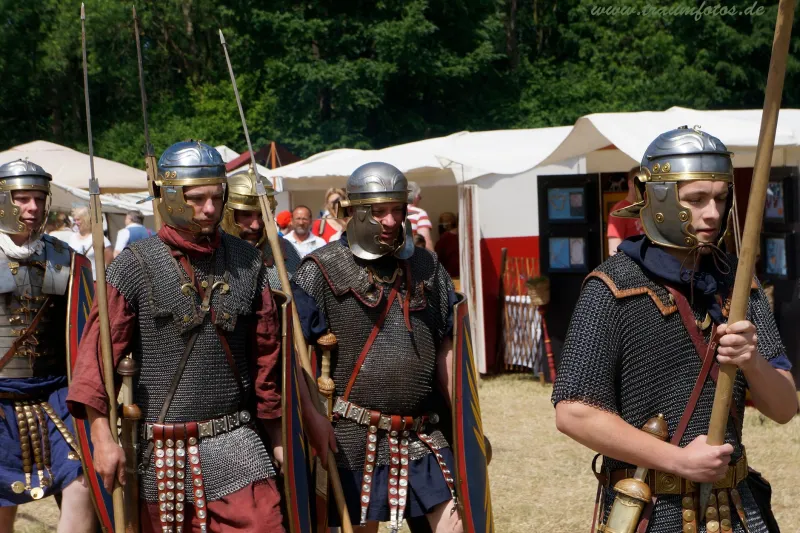
Every great power eventually decides it would rather write a check than bleed its own citizens. Rome did it with Germanic tribes. Britain did it with a trading company. America does it with contractors in a dozen countries most voters can't locate on a map. The results have been consistent across three thousand years: outsourced enforcement is not a cost-saving measure. It's a symptom of an empire that's already losing the thread.

The Founders Built Democracy in a Sewer of Misinformation — On Purpose

The Founders Built Democracy in a Sewer of Misinformation — On Purpose

The myth of a rationally informed revolutionary public making clear-eyed democratic choices is flattering and completely wrong. The actual media environment of 1776 was a swamp of partisan fabrications, paid propagandists, and newspapers that would make your most unhinged Facebook uncle look restrained. The Founders knew this. They built the system anyway — and understanding why changes everything about how we talk about misinformation today.

Every Generation Has Been Certain Immigration Would Destroy Everything — The Data Keeps Disagreeing

Every Generation Has Been Certain Immigration Would Destroy Everything — The Data Keeps Disagreeing

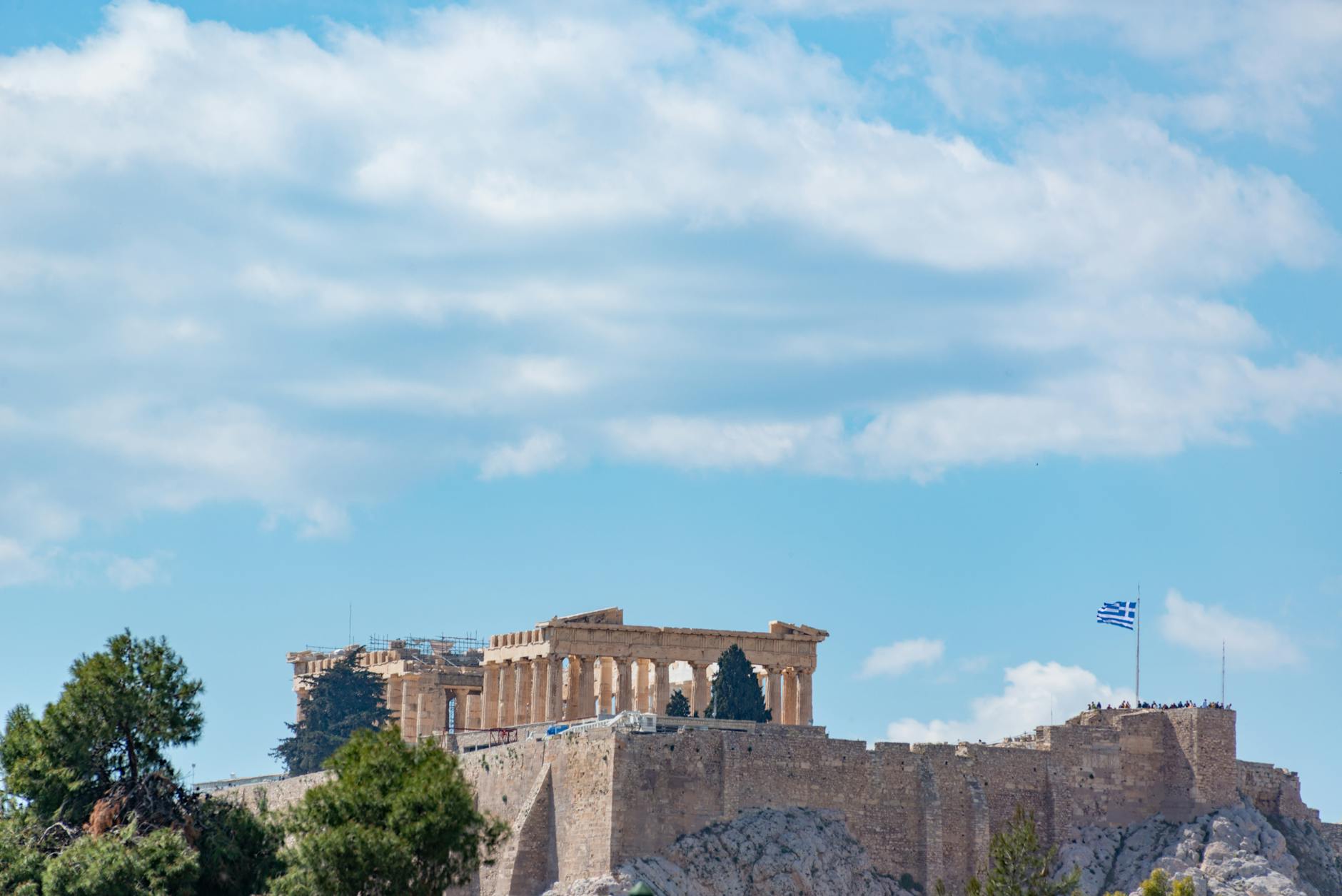
From Athenian politicians warning about foreign influences corrupting Greek youth to Roman senators predicting that barbarian customs would unravel the legions, the fear that the current wave of newcomers will finally be the one that destroys the social fabric is one of the most consistent responses in recorded human history. The historical data on what actually happened every time that panic took hold is extensive, and it does not support the panic. This article looks at why the fear keeps retu

When Empires Stop Fixing Things, That's Not a Budget Problem — It's a Death Certificate

When Empires Stop Fixing Things, That's Not a Budget Problem — It's a Death Certificate

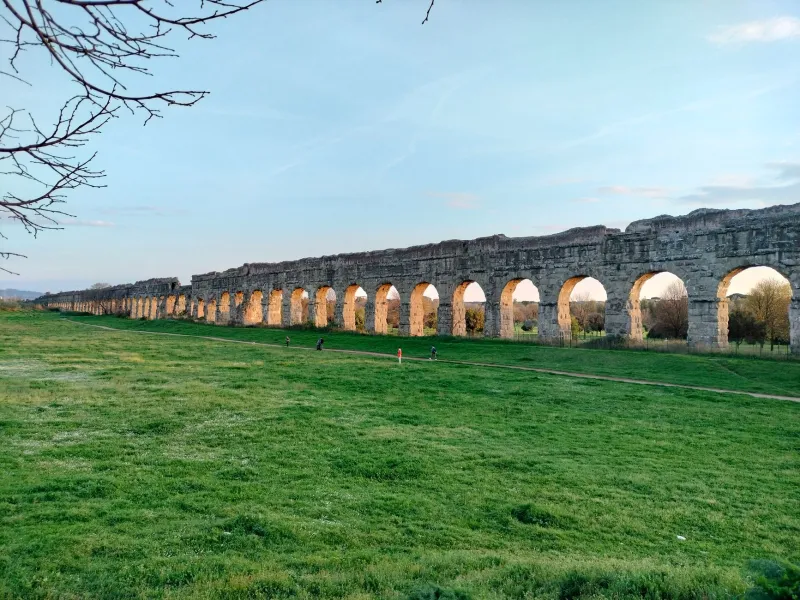
Rome's aqueducts didn't crumble because the engineering failed. They crumbled because the empire stopped paying people to maintain them, while continuing to fund monuments. Britain's Victorian rail network followed the same arc. History keeps writing this story, and the punchline is always the same: the bridges that fall down were never really an engineering problem.

Your Jury of Peers Was Rigged Before You Even Walked Into Court

Your Jury of Peers Was Rigged Before You Even Walked Into Court

The promise of impartial judgment by fellow citizens sounds noble until you realize that every society that invented this system simultaneously developed sophisticated methods for gaming it. From ancient Athens to modern America, "fair trials" have always been elaborate theater.

Why Your Most Pointless Meetings Have a 4,000-Year Paper Trail

Why Your Most Pointless Meetings Have a 4,000-Year Paper Trail

Cuneiform tablets from ancient Mesopotamia and Roman administrative scrolls prove that bureaucrats have been gathering to discuss things they already decided for millennia. Your Tuesday morning all-hands isn't a modern productivity failure—it's a time-tested political tool.

You're Not Burned Out Because of Your Phone. You're Burned Out Because of a Cycle That Predates Electricity.

You're Not Burned Out Because of Your Phone. You're Burned Out Because of a Cycle That Predates Electricity.

The conversation about work-life balance treats exhaustion as a new problem caused by smartphones, always-on culture, or the specific cruelties of late capitalism. It isn't. Roman senators wrote about the impossibility of disconnecting. Medieval peasants, by measurable historical standards, worked fewer annual hours than the average American does today. The real story is about a recurring pattern of collective action — won, then lost, then won again — that tells us something important about why

History's Most Dangerous Sentence: 'We Are the First Free People'

History's Most Dangerous Sentence: 'We Are the First Free People'

Athens called itself the world's first democracy while running a slave economy. Rome celebrated liberty as its founding myth while building an empire on conquest. Revolutionary France declared the Rights of Man and then guillotined thousands. Every society that has proclaimed itself history's first truly free civilization has followed a recognizable psychological arc — and understanding that arc matters more right now than it ever has.

Ancient Merchants Figured Out Your Brain Before Behavioral Economics Did

Ancient Merchants Figured Out Your Brain Before Behavioral Economics Did

Behavioral economists get a lot of credit for discovering that humans make irrational financial decisions — but merchants in Babylon, Florence, and Ming Dynasty China had already mapped most of these quirks through centuries of hard commercial experience. The psychological pricing tricks being used on you right now at Target and on Amazon aren't new discoveries. They're ancient technology. Here's how to see them.

Your Brain Was Built to Lose Money: Five Financial Panics That Prove It

Your Brain Was Built to Lose Money: Five Financial Panics That Prove It

Tulip bulbs. Railroad stocks. Dot-com IPOs. GameStop. The assets change every generation, but the psychological script running underneath every financial mania is remarkably consistent — because the brain making the decisions hasn't been updated in thousands of years. Here's the historical evidence, and what you can actually do with it.

From King of the Internet to Comeback Kid: The Wild History of Digg

From King of the Internet to Comeback Kid: The Wild History of Digg

Before Reddit became the self-proclaimed front page of the internet, there was Digg — a scrappy, user-powered news aggregator that briefly ruled the early web. This is the story of its meteoric rise, its spectacular collapse, and the ongoing effort to bring it back.