The Fame Machine Has Been Eating People Alive for 2,000 Years — TikTok Didn't Invent the Problem
The Original Influencer Burnout
Spiculus was the most famous person in Rome. The gladiator's name was chanted in the streets, his face appeared on pottery and mosaics throughout the empire, and Emperor Nero considered him a close personal friend. He had millions of fans, lucrative sponsorship deals with weapon manufacturers, and the kind of recognition that modern celebrities would kill for.
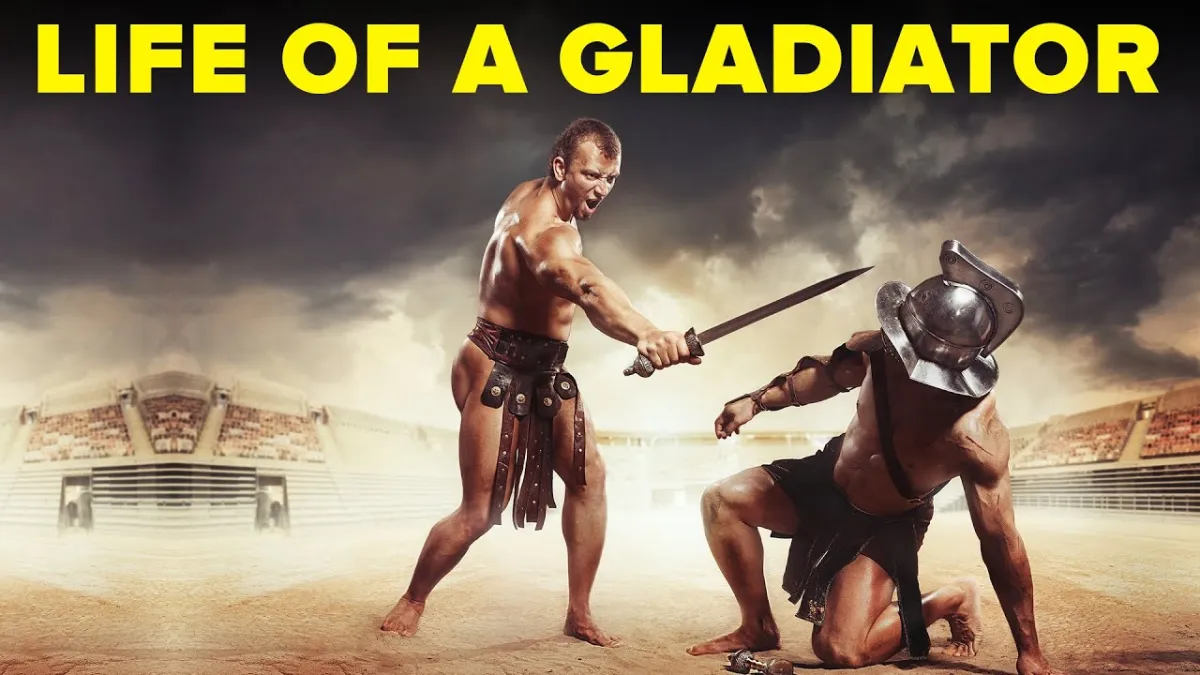 Photo: Spiculus, via i.ytimg.com
He also had what we'd now recognize as severe PTSD, chronic anxiety, and the psychological exhaustion that comes from performing your identity for public consumption every single day. Ancient sources describe him as increasingly paranoid, unable to form genuine relationships, and desperately dependent on crowd approval for basic self-worth.
Sound familiar?
The Attention Economy, Ancient Edition
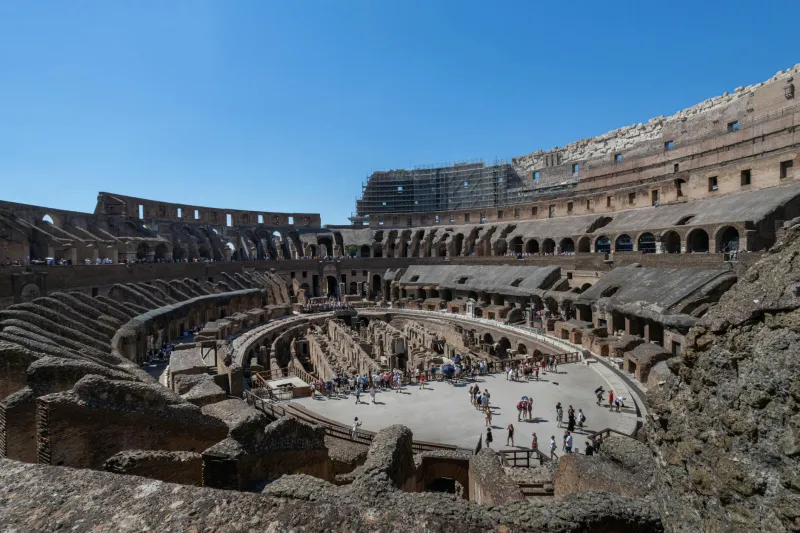
Rome's entertainment industry operated on the exact same psychological principles that power modern social media platforms. Gladiators, chariot racers, and theatrical performers competed for public attention in an economy where visibility directly translated to survival. The crowd's approval meant better equipment, safer opponents, and lucrative private bookings. Their disapproval meant death.
This created the same addiction cycle that destroys modern content creators. Performers became psychologically dependent on audience validation while simultaneously resenting the constant pressure to maintain their public persona. They lived in perpetual fear that one bad performance, one unpopular decision, one moment of authentic vulnerability would destroy everything they'd built.
The parallels to influencer culture are so precise they're unsettling. Ancient performers developed what we'd now call parasocial relationships with their audiences — feeling intimately connected to people who only knew their public character. They obsessed over crowd reactions the way modern creators obsess over engagement metrics. They sacrificed personal relationships, physical health, and mental stability to maintain their position in the attention marketplace.
The Renaissance Remix
Jump forward a thousand years, and you'll find the exact same pattern destroying Renaissance artists. Michelangelo, despite his posthumous reputation as a creative genius, spent most of his career in what we'd now recognize as severe burnout. His letters are filled with complaints about impossible deadlines, demanding patrons, and the psychological toll of living up to public expectations.
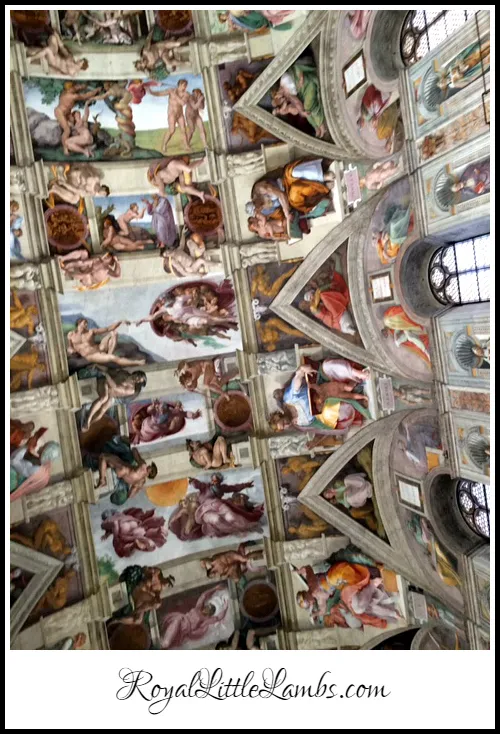 Photo: Michelangelo, via www.jenniferalambert.com
The artist was constantly performing his identity for wealthy sponsors who expected him to be simultaneously a creative genius, a entertaining dinner guest, a political ally, and a personal brand that reflected well on their own status. He couldn't just make art — he had to be "Michelangelo" every moment of every day.
This is the same trap that catches modern influencers who discover that their audience doesn't just want content — they want access to the creator's authentic self, 24/7. The line between personal identity and public performance disappears, leaving creators psychologically exhausted and emotionally hollow.
The Parasocial Pyramid Scheme
What makes fame psychologically toxic isn't the attention itself — it's the asymmetric nature of the relationship between public figures and their audiences. Fans feel like they know celebrities intimately because they've consumed hundreds of hours of their content. But celebrities know their audience only as an abstract mass of approval or disapproval.
This creates what psychologists call "emotional labor inequality." Public figures are expected to provide genuine emotional connection to thousands or millions of people who have no obligation to reciprocate. They become emotional vending machines, dispensing authenticity and vulnerability on demand while receiving only the crude feedback of popularity metrics.
Roman gladiators experienced this as the crowd's fickle loyalty — beloved one day, forgotten the next, with no consideration for their humanity beyond entertainment value. Renaissance artists dealt with patrons who expected creative genius on command while treating them as sophisticated servants. Modern influencers face audiences who demand constant content while feeling entitled to judge every aspect of their personal lives.
The Performance Trap
The cruelest aspect of fame is that it rewards the exact behaviors that make sustainable happiness impossible. Public figures become famous by being extraordinary — more beautiful, more talented, more charismatic, more controversial than ordinary people. But maintaining that extraordinariness requires constant performance that leaves no room for the mundane human experiences that actually create psychological well-being.
Ancient sources describe famous performers as increasingly isolated, unable to form genuine friendships because everyone wanted something from them. They couldn't have normal conversations because people were always performing back, trying to impress them or gain advantage from the association. They couldn't show weakness or vulnerability because their public brand depended on maintaining the illusion of perfection.
This isolation is the consistent theme across every era's celebrity culture. Famous people become psychologically dependent on public approval because they've lost access to the private relationships that would normally provide emotional support and honest feedback.
The Algorithmic Acceleration
What's different about modern fame is the speed and scale of the feedback loop. Roman gladiators performed maybe once a month for crowds of 50,000. Renaissance artists might complete one major public work per year. Modern influencers post multiple times daily for audiences of millions, receiving instant feedback that can swing from adoration to hatred within hours.
This acceleration hasn't changed the fundamental psychology — it's just compressed the cycle from years to weeks. The same emotional patterns that took decades to destroy ancient performers now burn through modern creators in months.
Social media algorithms have also democratized the fame trap. You no longer need to be exceptionally talented to become psychologically dependent on public validation. Anyone can build an audience large enough to trigger the same addiction patterns that destroyed history's most celebrated figures.
The Sustainable Alternative
Interestingly, history also provides examples of public figures who avoided the fame trap by maintaining clear boundaries between their public and private selves. Ancient philosophers like Marcus Aurelius wrote extensively about the importance of internal validation over external approval. Renaissance artists like Leonardo da Vinci deliberately cultivated multiple interests that prevented any single source of validation from becoming psychologically necessary.
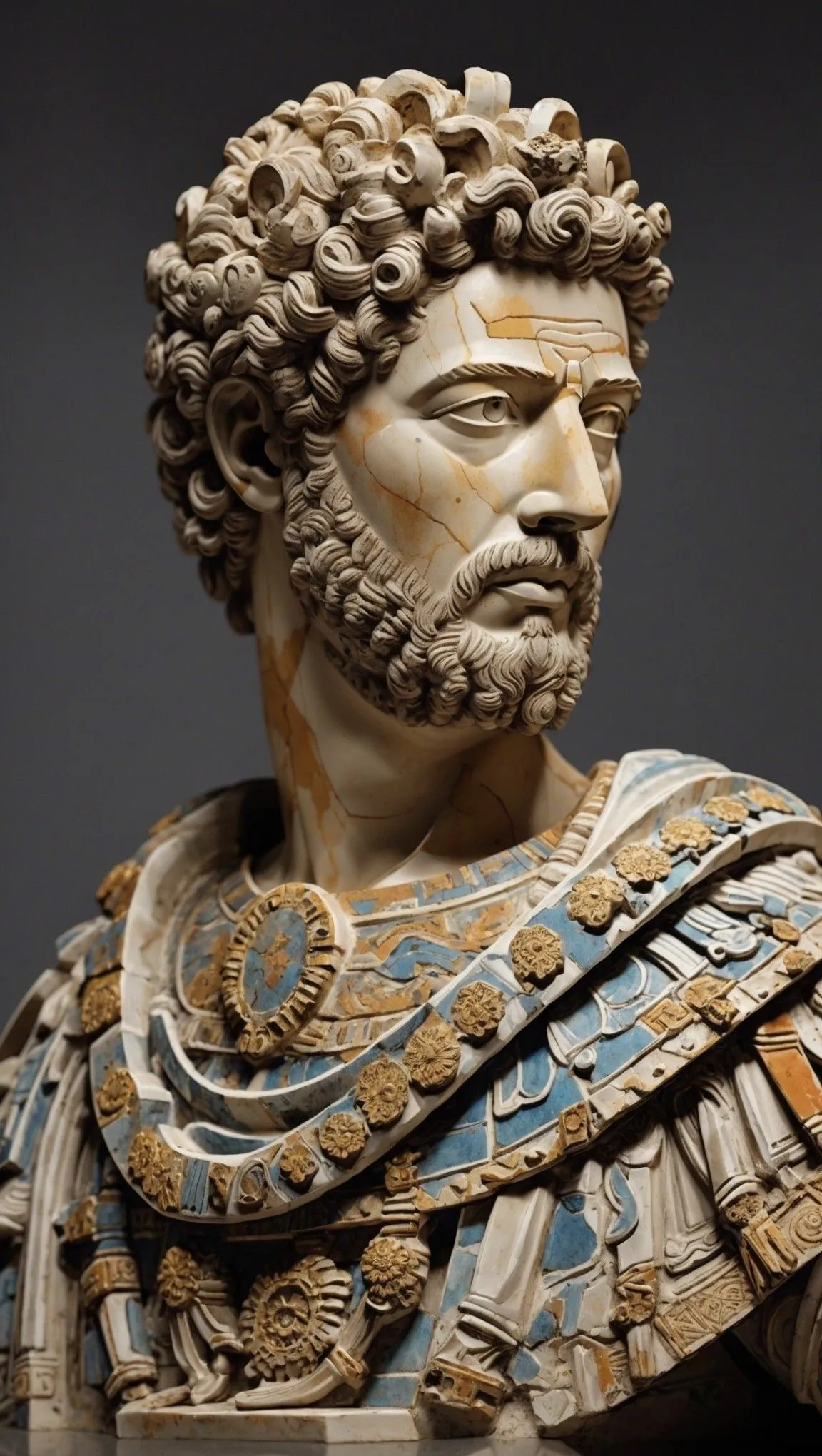 Photo: Marcus Aurelius, via i.pinimg.com
The common thread among psychologically healthy public figures across history is their refusal to derive primary self-worth from audience approval. They treated fame as a byproduct of their work rather than the goal of their existence.
The Eternal Return
The most depressing aspect of this historical pattern is how predictable it is. Every generation rediscovers the psychological costs of fame and promises to do better. Roman moralists warned about the corrupting influence of public attention. Renaissance humanists wrote extensively about the importance of private virtue over public reputation. Modern psychologists have documented the mental health crisis among social media creators in exhaustive detail.
Yet the fame machine keeps eating people alive because the fundamental human appetite for public attention hasn't changed in five thousand years. We keep feeding it new victims because we keep believing that this time will be different — that we can somehow extract the benefits of fame without paying its psychological costs.
We can't. The historical record is unambiguous: fame is a pyramid scheme where the currency is human attention and the cost is sustainable happiness. The only way to win is not to play.
But we keep playing anyway, because the alternative — accepting that most of us will live and die in relative obscurity — feels like a fate worse than psychological destruction.
That's the real tragedy. Not that fame destroys people, but that we know it destroys people and keep choosing it anyway.