The Two-Party Death Spiral Started in Rome — Americans Just Perfected the Formula

The Software Is Ancient, The Hardware Is New
When Americans complain about political polarization, they're describing symptoms of a virus that infected Rome around 133 BCE and never really went away. The Roman Republic didn't collapse because of barbarian invasions or economic crisis — it died because two political factions, the optimates and populares, discovered that governing was less rewarding than winning.
Sound familiar?
The optimates represented the established elite, defending traditional privilege and senatorial authority. The populares claimed to speak for the common people, pushing land redistribution and popular assemblies. Both sides convinced themselves they were saving Rome from the other. Neither side was particularly interested in actually running anything.
This wasn't politics — it was psychological warfare with togas.
Your Brain Rewards Tribal Victory Over Actual Solutions
Here's what four centuries of Roman political theater taught us about human psychology: we're hardwired to prefer beating the other team over solving problems. The same neural pathways that light up when your football team scores activate when your political party lands a devastating soundbite.
Roman politicians figured this out fast. Cicero spent more energy crafting insults than policy. The populares didn't just propose land reform — they made sure everyone knew the optimates were greedy bastards standing in the way. The optimates didn't just defend tradition — they painted every popular reform as mob rule that would destroy civilization.
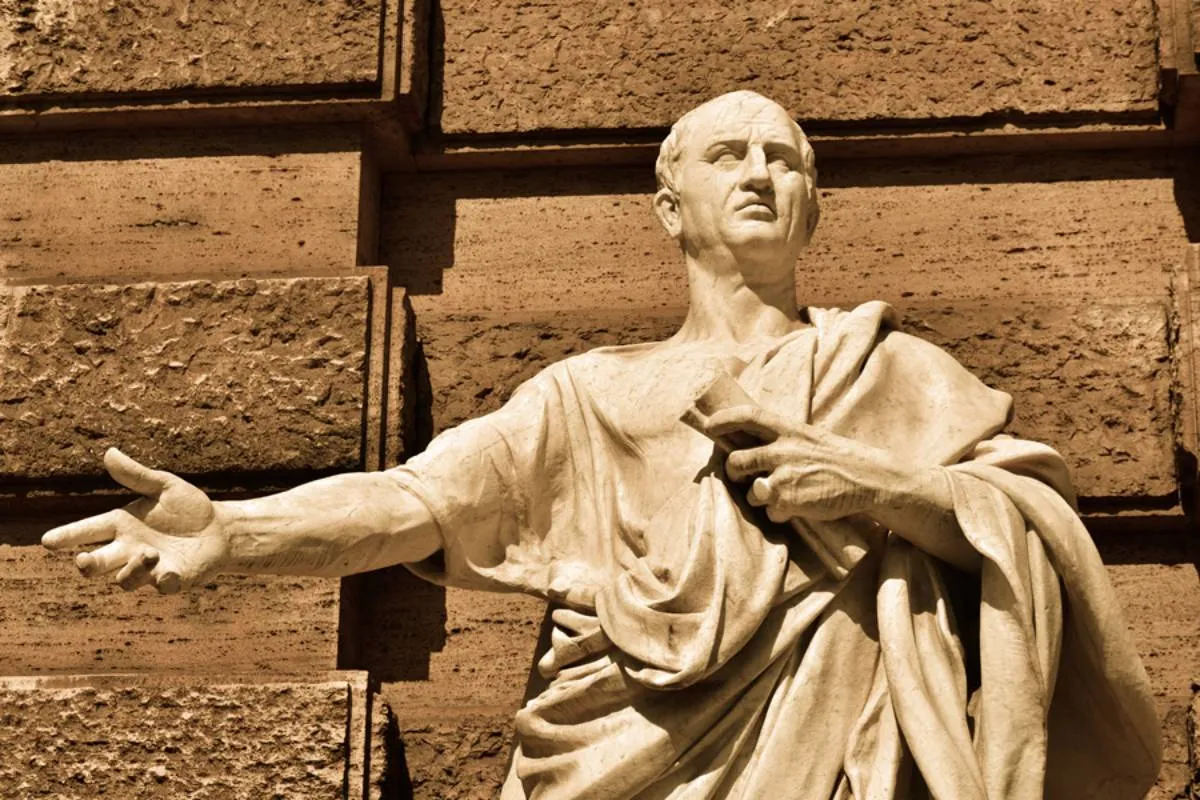 Photo: Cicero, via brewminate.com
Every speech, every law, every Senate debate became a zero-sum contest where compromise looked like weakness and moderation felt like betrayal. Citizens learned to judge their leaders not by what they built, but by how thoroughly they humiliated the opposition.
The American founders knew this history. They designed checks and balances specifically to prevent Roman-style factional warfare. It worked for about thirty years.
The Gridlock Reward Loop Never Changes
By the time of Marius and Sulla, Roman politics had devolved into what political scientists now call "negative partisanship" — hating the other side more than you like your own. Citizens stopped asking "What can government do for us?" and started asking "How badly can we hurt them?"
This psychological shift creates a feedback loop that every two-party system eventually discovers. Politicians learn that blocking the opposition generates more voter enthusiasm than passing legislation. Media outlets realize that outrage drives more engagement than nuanced analysis. Citizens get addicted to the emotional satisfaction of political combat, even when nothing gets done.
Rome's populares and optimates spent decades perfecting this dynamic. They gerrymandered voting districts, packed courts with loyalists, and used procedural tricks to prevent the other side from governing. They turned every policy disagreement into an existential crisis requiring total victory.
The system worked perfectly — if your goal was permanent political warfare instead of, you know, governing an empire.
When Caesar Showed Up, Romans Were Ready for Anything Else
By 49 BCE, Roman citizens were so exhausted by legislative paralysis and constitutional crisis that a military coup started looking reasonable. Julius Caesar didn't seize power — he was handed it by people who decided that even dictatorship was preferable to watching the Senate accomplish nothing while barbarians gathered at the borders.
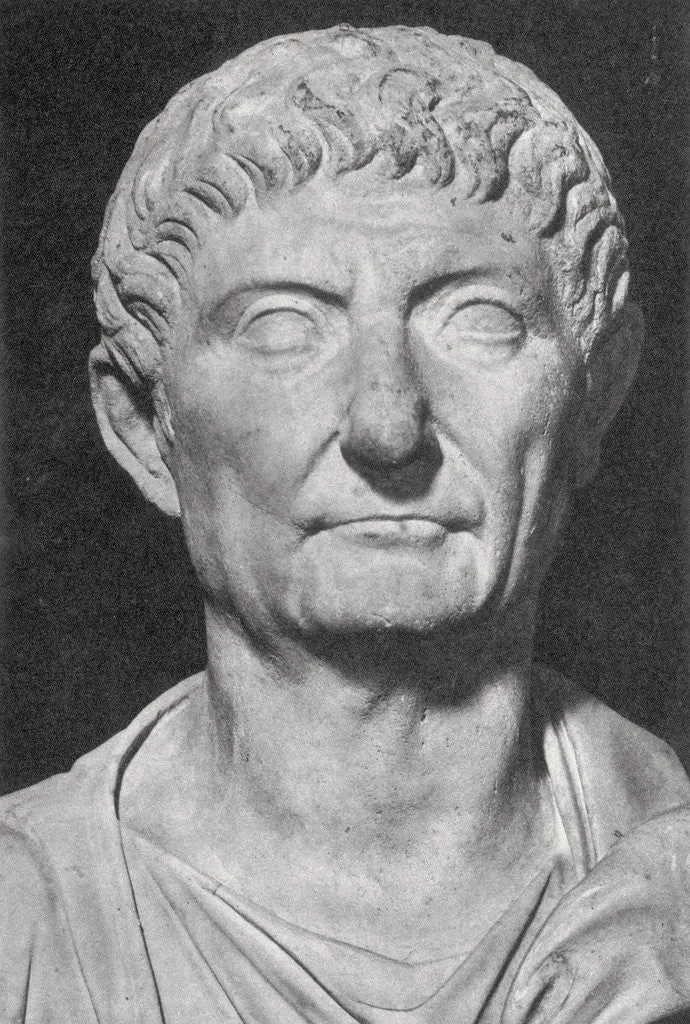 Photo: Julius Caesar, via cdn.shopify.com
This is the historical pattern that should terrify Americans: functioning democracies don't usually collapse from external threats or economic disasters. They collapse when citizens get so frustrated with gridlock that authoritarianism starts looking efficient.
Every stable two-party system eventually reaches this inflection point. Britain's Whigs and Tories, Germany's Social Democrats and Center Party, Chile's Conservatives and Liberals — they all followed the same psychological trajectory from competitive governance to tribal warfare to systemic breakdown.
The human brain simply isn't designed to sustain indefinite political combat without craving resolution, even if that resolution comes at democracy's expense.
The American Experiment Runs Roman Software
American politics today displays every symptom of late-stage Roman partisanship. Congressional approval ratings hover around 20%, but incumbent reelection rates stay above 90% — because voters hate Congress but love their tribe's representatives. Media consumption has sorted into partisan bubbles that would make Cicero proud. Policy debates immediately devolve into character assassination.
Most tellingly, American politicians have learned Rome's core lesson: blocking the other party is more politically rewarding than governing. Republican and Democratic leaders openly strategize about denying their opponents legislative victories, even on issues where broad consensus exists.
This isn't a bug in the American system — it's the inevitable result of running two-party psychology on human hardware that evolved for small tribal groups, not continental democracies.
History Offers No Easy Solutions, Only Warnings
The uncomfortable truth is that Rome's political class never solved their two-party death spiral. They just kept escalating until someone with legions decided to end the argument permanently.
Every generation thinks their political moment is uniquely dire, but the Roman Republic's 400-year experiment in factional warfare offers a longer view: two-party systems don't reform themselves. They either evolve into something else or they collapse under the weight of their own psychological contradictions.
Americans like to believe their democratic institutions are uniquely resilient, but Roman citizens thought the same thing right up until they didn't have a republic anymore. The software is the same. The hardware is the same. Only the costumes have changed.