The Clio Method Five thousand years of data. Use it.

The Clio Method

Five thousand years of data. Use it.

Latest Articles

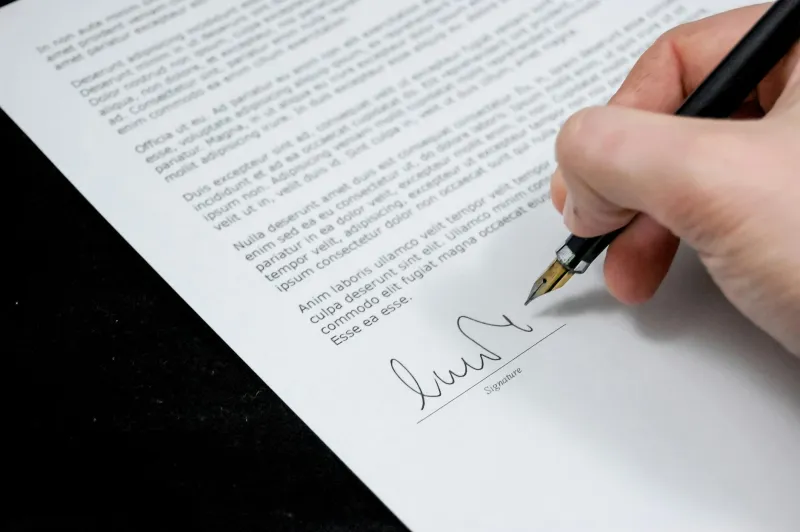
Sign Here to Surrender: Why Loyalty Contracts Have Always Been Power Grabs
Science

Sign Here to Surrender: Why Loyalty Contracts Have Always Been Power Grabs

From ancient vassal oaths to modern NDAs, history reveals that formal loyalty pledges have never been about trust—they're psychological traps designed to shift power. Three thousand years of evidence shows the more elaborate the ceremony, the more desperate the ruler.

Ancient Athens Had Influencers Too — They Just Called Them Sophists
Science

Ancient Athens Had Influencers Too — They Just Called Them Sophists

The Sophists of ancient Greece were paid professionals who built audiences, charged for insights, and were accused of prioritizing engagement over truth. Every era produces a class of persuaders who monetize attention rather than expertise.

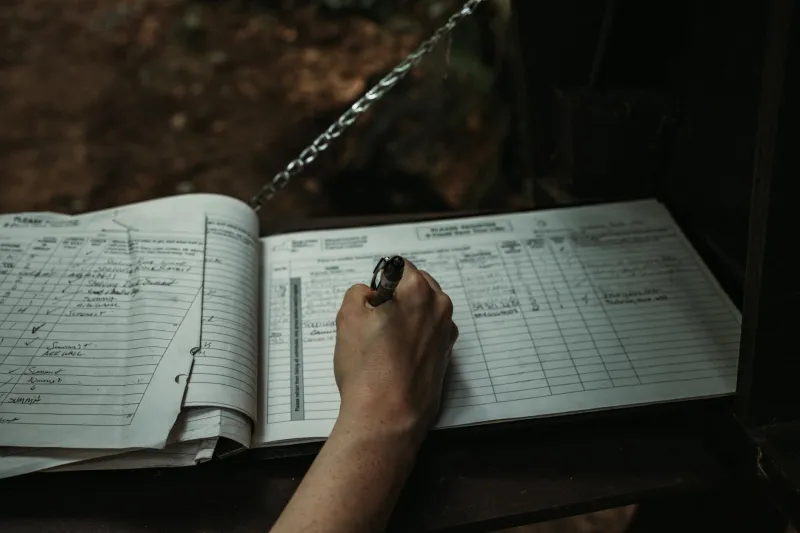
State Secrets Were Never Secret: 5,000 Years of Leaks Prove Whistleblowing Is Human Nature
Technology

State Secrets Were Never Secret: 5,000 Years of Leaks Prove Whistleblowing Is Human Nature

From Egyptian scribes spilling pharaoh secrets to Renaissance courtiers breaking elaborate oaths, every civilization has tried to control information from the inside. History shows that legal documents can't override the human impulse to expose wrongdoing.

The Work-Life Balance Scam: Why Every Generation Falls for the Same Impossible Promise
Science

The Work-Life Balance Scam: Why Every Generation Falls for the Same Impossible Promise

From Athenian leisure philosophy to today's wellness initiatives, every generation declares it finally solved the problem of too much work. Within decades, the boundaries always collapse for the same psychological and economic reasons.

When Everyone's a Freelancer, No One's Safe: Rome's Gig Economy Experiment
Science

When Everyone's a Freelancer, No One's Safe: Rome's Gig Economy Experiment

Two thousand years before Uber and TaskRabbit, Ancient Rome ran the ultimate gig economy experiment. The results were catastrophic for working people — and eerily familiar to anyone watching today's labor market.

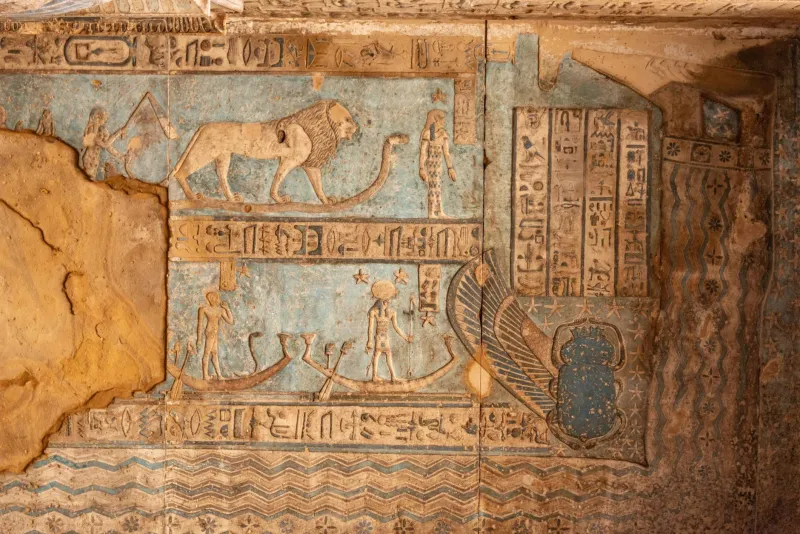
Ancient Egyptian Workers Perfected 'Quiet Quitting' 3,500 Years Before We Named It
Science

Ancient Egyptian Workers Perfected 'Quiet Quitting' 3,500 Years Before We Named It

Long before TikTok made 'quiet quitting' a buzzword, Egyptian foremen were documenting the exact same workplace behaviors in papyri from Deir el-Medina. The complaints sound disturbingly familiar: workers showing up late, leaving early, and citing mysterious illnesses.

Your Boss Thinks They Own Your Brain — Ancient Guild Masters Invented That Idea
Technology

Your Boss Thinks They Own Your Brain — Ancient Guild Masters Invented That Idea

Non-compete clauses feel like a modern Silicon Valley invention, but Mesopotamian craftsmen were getting locked into binding agreements 4,000 years ago. The fight over who owns your skills and knowledge is older than written law itself.

Your Company Calls You Family, But History Shows They've Always Meant Servant
Science

Your Company Calls You Family, But History Shows They've Always Meant Servant

From medieval guilds to modern tech startups, employers have perfected the art of demanding unconditional loyalty while keeping workers completely expendable. Five centuries of data reveals this isn't a bug in corporate culture—it's the entire feature.

The Handshake Economy: Why Every Job Has Always Gone to Someone's Cousin
Science

The Handshake Economy: Why Every Job Has Always Gone to Someone's Cousin

From Roman patronage networks to medieval guilds, hiring has operated on the same psychological principle for millennia: humans trust people who remind them of themselves. The 'hidden job market' isn't a modern invention—it's the default setting of human civilization.

Why Your Weekend Freelance Hustle Started in Ancient Babylon
Science

Why Your Weekend Freelance Hustle Started in Ancient Babylon

Thousands of years before Fiverr and Upwork, Mesopotamian scribes were running private writing services after their day jobs ended. The psychology driving today's gig economy isn't new — it's as old as civilization itself.

Why Your Retirement Plan Has Always Been a Leash: The Roman Playbook for Employee Control
Science

Why Your Retirement Plan Has Always Been a Leash: The Roman Playbook for Employee Control

Ancient Rome didn't invent the retirement package out of kindness — they weaponized it to keep soldiers and workers in line. Two thousand years later, we're still using the same psychological tricks to bind employees to jobs they want to leave.

Your Ancient Egyptian Coworker Already Perfected the Art of Doing Just Enough
Science

Your Ancient Egyptian Coworker Already Perfected the Art of Doing Just Enough

Millennia before anyone filmed themselves explaining 'quiet quitting' on TikTok, Egyptian tomb builders and Mesopotamian scribes had already mastered the delicate art of meeting expectations without exceeding them. The psychology behind strategic workplace disengagement hasn't changed in 3,000 years — only the terminology has gotten snappier.

Why Your Most Pointless Meetings Have a 4,000-Year Paper Trail
Technology

Why Your Most Pointless Meetings Have a 4,000-Year Paper Trail

Cuneiform tablets from ancient Mesopotamia and Roman administrative scrolls prove that bureaucrats have been gathering to discuss things they already decided for millennia. Your Tuesday morning all-hands isn't a modern productivity failure—it's a time-tested political tool.

When Following Orders Becomes Warfare: The Ancient Bureaucrat's Guide to Passive Resistance
Science

When Following Orders Becomes Warfare: The Ancient Bureaucrat's Guide to Passive Resistance

Centuries before 'quiet quitting' became a workplace buzzword, Roman and Byzantine civil servants had already perfected the art of weaponized rule-following. Their methods of institutional resistance reveal timeless patterns in human psychology that still play out in every modern office.

Why Every Salary Negotiation Feels Like Medieval Combat — Because It Basically Is
Science

Why Every Salary Negotiation Feels Like Medieval Combat — Because It Basically Is

That uncomfortable standoff when you ask for a raise? Ancient Mesopotamian merchants perfected those exact same psychological tactics 4,000 years ago. Your brain is still fighting battles that predate written contracts.

Quitting With Style: How Ancient Workers Perfected the Art of the Dramatic Exit
Science

Quitting With Style: How Ancient Workers Perfected the Art of the Dramatic Exit

From Egyptian tomb builders going on strike to Roman slaves staging elaborate escapes, the human psychology of workplace departures hasn't changed in millennia. Modern exit interviews are just the latest chapter in a 5,000-year story of employees finding creative ways to say 'I'm done.'

Your Boss Isn't the First to Wonder Why Nobody Wants to Work Anymore
Science

Your Boss Isn't the First to Wonder Why Nobody Wants to Work Anymore

Papyrus records from 3,000 years ago show Egyptian workers doing exactly what your manager calls 'quiet quitting' today. The pharaoh's administrators were just as confused about it then as modern HR departments are now.

Every Era Has That One Guy Bragging About His Portfolio — Ancient Rome Just Called Him Different Names
Science

Every Era Has That One Guy Bragging About His Portfolio — Ancient Rome Just Called Him Different Names

Roman satirists were roasting dinner party bores who wouldn't shut up about their real estate deals two millennia before anyone heard of crypto bros. The psychology behind wealth signaling hasn't budged an inch since Petronius was writing about it.

Why Every Housing Boom Feels Like 'This Time Is Different' — And Why It Never Is
Science

Why Every Housing Boom Feels Like 'This Time Is Different' — And Why It Never Is

Roman property developers convinced themselves that insulae values would rise forever, just like American homeowners believed in 2007. The cognitive biases that drove both bubbles are identical because human psychology hasn't evolved in two millennia.

The Psychological Trap That's Been Catching People for Two Millennia
Science

The Psychological Trap That's Been Catching People for Two Millennia

The tactics that high-control groups use to recruit and retain members aren't the product of modern manipulation science — they're ancient, documented, and so consistent across thousands of years that historians can essentially reconstruct the playbook from sources written before Christianity existed. Understanding why ordinary, intelligent people join these groups isn't a judgment. It's the closest thing we have to a defense.